By Tom Daley
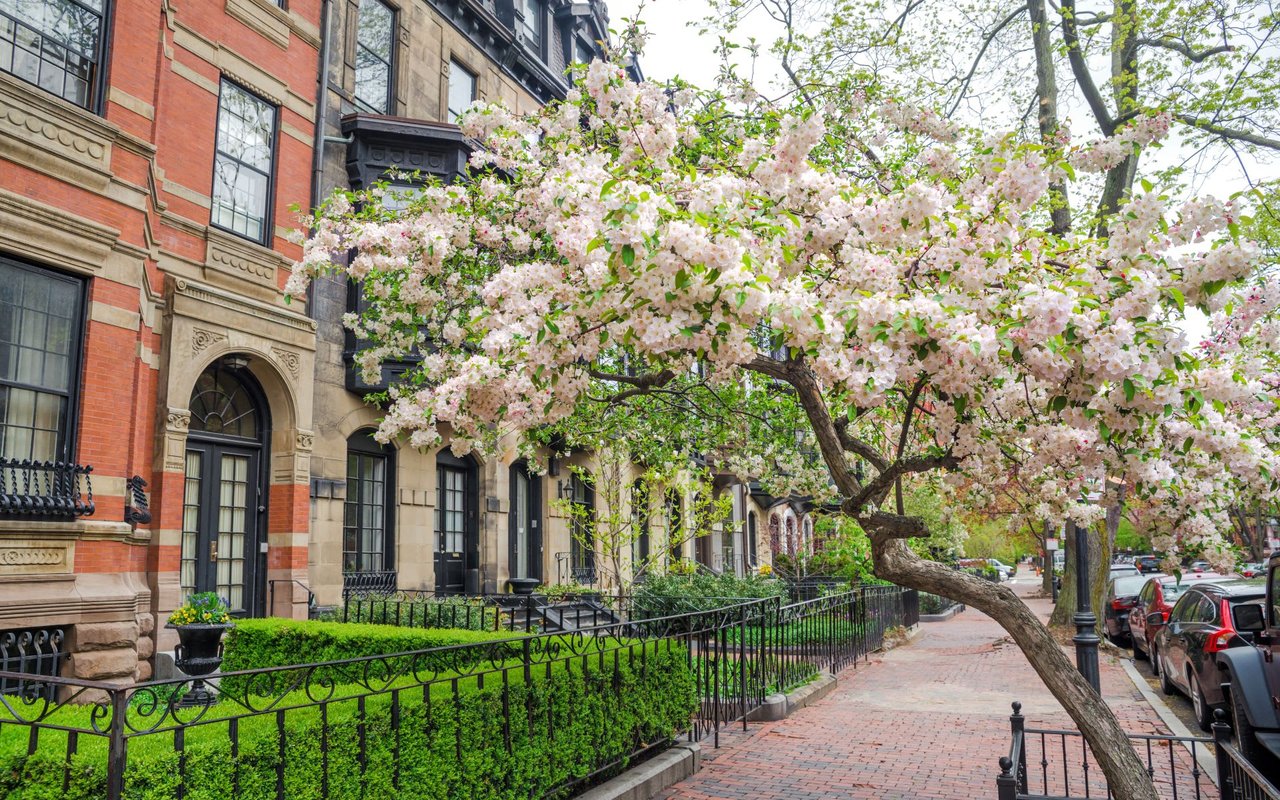
Washington’s luxury market is shaped by neighborhood identity, historic housing stock, and proximity to civic and cultural anchors like Embassy Row, Rock Creek Park, and the waterfront corridors near Georgetown. Inventory ranges from classic rowhouses in Logan Circle and Dupont Circle to estate-style properties in Spring Valley and Massachusetts Avenue Heights, with pricing dynamics that can vary block by block. Condo luxury adds another layer in the West End and along the downtown core, where building operations and amenity standards influence value perception.
I use luxury investment insights DC to help clients focus on the levers that consistently support performance in this city. These points outline how to evaluate DC luxury properties for durability, demand strength, and efficient ownership.
Key Takeaways
- Location: micro-markets and lifestyle anchors
- Asset: property type and operations
- Plan: renovation and positioning
- Hold: costs, timing, and exit
Micro-Location Is the First Driver of Performance in DC
DC luxury pricing often tracks the feel of a specific block as much as the broader neighborhood name.
Why these micro-location cues matter most
- Park adjacency: Access to Rock Creek Park paths and green buffers.
- Cultural proximity: Quick routes to the Kennedy Center and National Cathedral area.
- Streetscape quality: Tree canopy, setback patterns, and architectural continuity.
- Transit and access: Practical commutes via major arteries and Metro connectivity.
Choose the Right Luxury Asset Type for Your Strategy
DC luxury inventory includes rowhouses, detached homes, and high-end condominiums, and each behaves differently from an investment standpoint.
Why asset selection changes the outcome
- Rowhouse flexibility: Renovation control with strong neighborhood identity in core areas.
- Detached estate scale: Larger lots and privacy in Spring Valley and nearby corridors.
- Condo operations: Building management, reserves, and amenity standards in West End towers.
- Historic constraints: Preservation considerations in older housing stock areas.
Renovation Strategy That Supports Premium Pricing in DC
Luxury renovations perform best when they respect the home’s architecture while upgrading function and comfort.
Why these upgrades typically support strong positioning
- Kitchen function: Layout, storage, and high-end appliance integration.
- Primary suite comfort: Closet planning, bathroom layout, and sound management.
- Mechanical performance: HVAC, electrical capacity, and smart climate control.
- Outdoor living: Terraces, patios, and courtyard entries with durable materials.
Ownership Efficiency: The Hidden Lever for Better Results
Luxury ownership costs in DC can vary widely based on system complexity, HOA structure, and maintenance planning.
Why these cost controls matter for the hold period
- HOA structure: Dues scope, reserve planning, and building capital schedules.
- System simplicity: Practical mechanical setups that are easier to service.
- Vendor network: Reliable local contractors for maintenance cycles and quick fixes.
- Insurance alignment: Appropriate coverage for property type and renovation scope.
Exit Planning: Positioning the Property for the Next Chapter
Exit strategy begins early, because the best-performing luxury properties tell a clear story the moment someone walks in.
Why these exit-focused factors influence final results
- Layout universality: Flexible spaces that support offices, guests, and entertaining.
- Curb-to-entry polish: Lighting, landscaping, and arrival feel that reads premium.
- Documentation readiness: Permits, invoices, and system records organized cleanly.
- Neighborhood narrative: Lifestyle anchors like parks, dining, and cultural access.
FAQs
Which DC neighborhoods tend to support strong luxury demand over time?
Areas like Georgetown, Kalorama, Spring Valley, and the West End often maintain strong appeal due to architecture, parks, and proximity to cultural anchors.
How do condos fit into a luxury investment strategy in DC?
Condos can work well when the building operations are strong, and the amenities match the luxury standard of the neighborhood.
What renovations tend to matter most in DC luxury listings?
Kitchens, primary suites, mechanical performance, and outdoor living areas tend to influence perception quickly.
Contact Tom Daley Today
Washington luxury real estate is unique because historic character, park access, and civic proximity shape demand in ways that differ from other major markets.
Contact me, Tom Daley, today, and I’ll guide you through a neighborhood-level investment strategy that aligns your timeline with the right property type and positions the home to perform well in DC’s most established corridors.