By Tom Daley
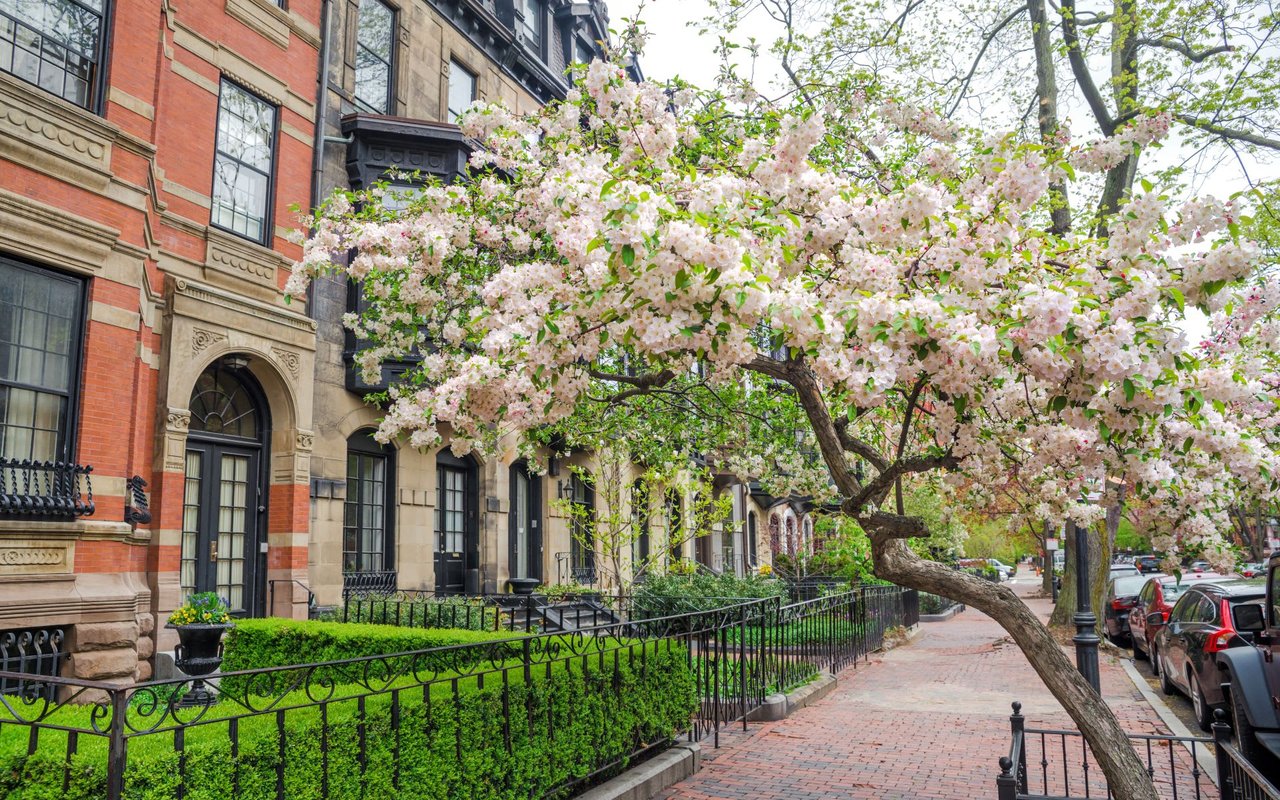
Washington’s luxury landscape is shaped by historic districts, protected sightlines, and neighborhoods where architecture carries civic identity, like Georgetown, Kalorama, and Massachusetts Avenue Heights. Large-lot properties in Spring Valley and wooded streets near Rock Creek Park bring a different estate feel than the rowhouse elegance of Dupont Circle and Logan Circle.
This guide explains how luxury estates contribute to Washington’s identity, how preservation and modernization work together, and where to focus when evaluating lasting value.
Key Takeaways
- Place: neighborhood identity and architecture
- Stewardship: preservation and modernization
- Lifestyle: parks, culture, and access
- Value: durability and long-term positioning
The Neighborhoods That Define Legacy Properties in Washington
DC estates take different forms depending on neighborhood scale, street pattern, and architectural history.
Why these neighborhoods consistently set the tone
- Georgetown: Historic streets, refined facades, and a strong sense of place near the waterfront.
- Kalorama: Grand residences with diplomatic character and quietly prestigious blocks.
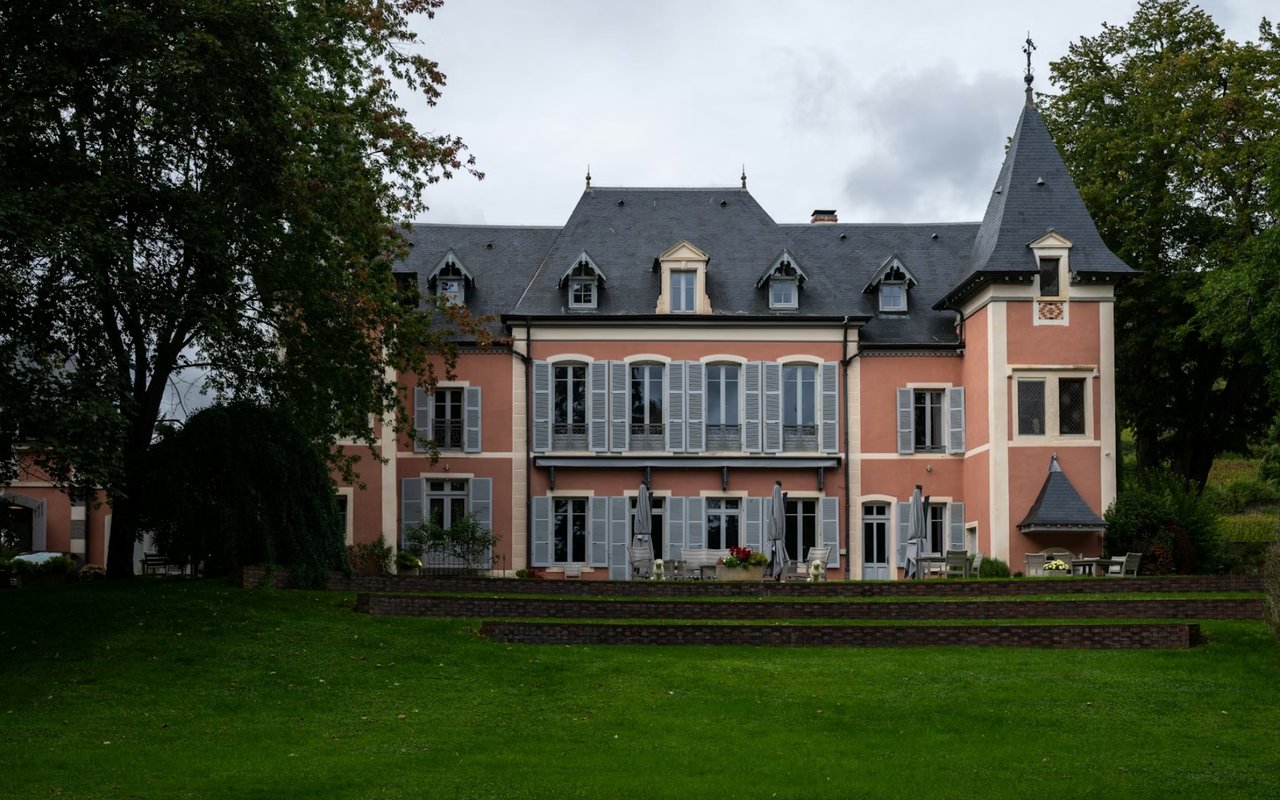
- Spring Valley: Larger parcels and estate-scale homes with a residential, park-adjacent feel.
- Massachusetts Avenue Heights: Classic architecture near Embassy Row with enduring curb appeal.
Heritage Architecture and the Art of Thoughtful Restoration
The city’s most meaningful properties often combine original craftsmanship with modern comfort that respects the home’s era.
Why restoration choices matter more than surface upgrades
- Original materials: Brick, stone, and wood details that signal authenticity and quality.
- Window and door profiles: Proportions and trim that preserve the facade’s character.
- Stair and corridor design: Spatial flow that supports elegance and everyday function.
- Garden and hardscape: Walls, gates, and paths that match the home’s architectural language.
Modern Luxury Expectations in a Historic City
DC luxury today includes comfort features like efficient mechanical systems, strong indoor-outdoor flow, and discreet smart home infrastructure.
Why these modernizations deliver real everyday impact
- Mechanical systems: High-quality HVAC and humidity control designed for multi-level homes.
- Kitchen functionality: Layouts that support hosting, storage, and high-end appliances.
- Primary suite design: Closet planning, bath layouts, and privacy that fit modern living.
- Technology integration: Lighting control, audio, and security systems installed cleanly.
Landscapes, Privacy, and Outdoor Living as Legacy Assets
In Washington, gardens and outdoor rooms can feel as important as the interior, especially on larger lots and quieter streets.
Why exterior design choices shape lasting appeal
- Courtyard entries: Arrival sequences that feel calm and intentional.
- Terrace planning: Outdoor rooms that support dining, lounging, and entertaining.
- Mature tree canopy: Shade and privacy that evolve into a defining feature over time.
- Hardscape durability: Stonework and drainage planning that protect long-term usability.
How Legacy Ownership Shapes the Future of Neighborhoods
Legacy properties influence the city by setting renovation standards, preserving architectural continuity, and encouraging thoughtful investment in established streets.
Why stewardship creates broader neighborhood impact
- Design continuity: Renovations that respect scale, rhythm, and streetscape expectations.
- Quality benchmarks: High standards that influence surrounding property upkeep.
- Long-term maintenance: Preservation habits that protect materials and craftsmanship.
- Community presence: Homes that reinforce the identity of iconic DC blocks.
FAQs
Which DC neighborhoods are most associated with legacy estates?
Areas like Georgetown, Kalorama, Spring Valley, and Massachusetts Avenue Heights consistently stand out for estate-scale living and architectural identity.
How do renovations stay true to a historic property while adding modern comfort?
The best projects start with the home’s proportions and materials, then integrate mechanical upgrades and functional layouts with clean detailing.
What makes an estate feel truly “legacy” in Washington?
A legacy home combines architectural integrity, thoughtful updates, and a location that remains culturally and logistically relevant. Strong landscape privacy and durable materials also support that lasting value story.
Contact Tom Daley Today
If you want to explore legacy living in DC with a clear strategy, I will map a property search around neighborhoods where architecture and history shape long-term value, from Kalorama and Georgetown to Spring Valley and the National Cathedral corridor.
Reach out to me, Tom Daley, and I’ll help you evaluate heritage luxury estates through a practical lens that includes renovation quality, landscape privacy, and how the home’s location connects to the cultural anchors that define Washington.