By Tom Daley
In Washington, DC, kitchen design reflects how residents entertain, cook, and live within historically constrained homes. Many high-end properties sit within preservation districts where exterior changes are limited, shifting the focus of renovations inward. As a result, kitchens often become the most customized and investment-heavy spaces in the home.
This has led to a clear link between the city’s dining culture and how kitchens are designed, used, and valued.
Key Takeaways
- Kitchens anchor renovation budgets
- Dining culture influences layout choices
- Interior upgrades drive resale interest
- Design prioritizes function and hosting
Why Kitchens Carry More Weight in DC Real Estate
In Washington, DC, kitchens frequently determine how a property is perceived and priced. Because lot sizes, additions, and exterior changes are restricted in many neighborhoods, interior functionality matters more than scale.
Structural factors that elevate kitchen importance
- Historic district limitations restricting expansions
- Rowhome layouts that require efficient design
- Entertainment-focused floor plans
This dynamic has made luxury kitchens DC buyers seek both highly technical and highly livable.
The Influence of DC’s Dining Scene on Home Kitchens
Washington, DC’s dining culture is deeply tied to how residents cook at home. The city’s concentration of chefs, diplomats, and policy professionals has created demand for kitchens that support regular entertaining.
Dining-driven design priorities
- Professional-grade ranges for frequent cooking
- Multiple prep zones to support hosting
- Integrated refrigeration for seamless storage
Homeowners often design kitchens to mirror restaurant workflows. These features support daily use and signal long-term value to buyers.
Layout Choices That Reflect How DC Residents Entertain
Open-concept kitchens are common, but in DC they are often adapted to older housing stock. Instead of entirely removing walls, designers create partial openings that maintain structure while improving flow.
Common layout solutions
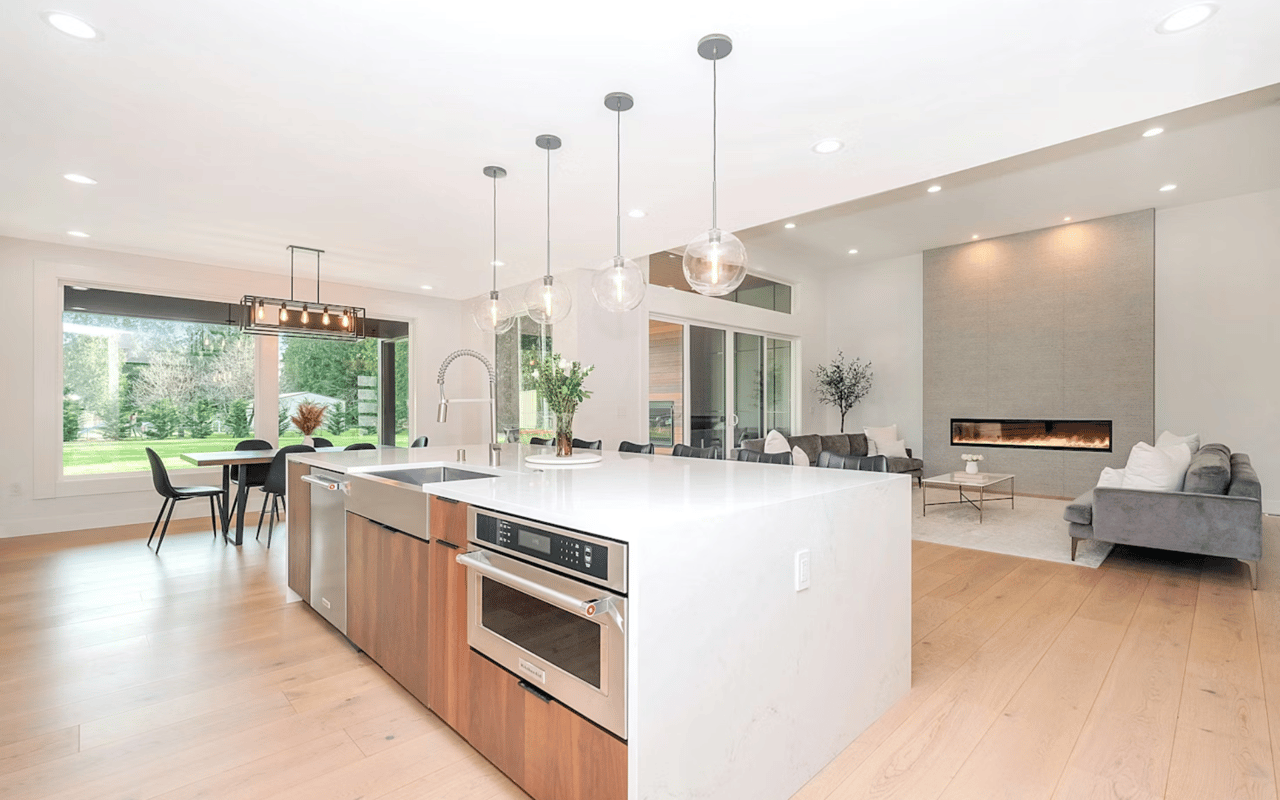
- Wide island seating replacing formal dining rooms
- Pass-through openings instead of complete wall removal
- Rear-kitchen expansions where zoning allows
The goal is visibility without sacrificing architectural integrity.
Appliance Selection and Performance Expectations
High-end buyers in DC expect kitchens to perform at a professional level. Appliance choices are evaluated not just on brand, but on integration and longevity.
Appliance features buyers prioritize
- Built-in refrigeration columns
- Dual-fuel cooking systems
- Quiet ventilation solutions
Buyers often look for systems that feel intentional rather than added later.
Storage, Workflow, and Hidden Functionality
Because many DC homes have limited square footage, storage solutions are critical. Buyers notice when kitchens feel efficient rather than crowded.
Storage strategies that add value
- Full-height cabinetry
- Pull-out pantry systems
- Integrated recycling and compost
Kitchens often incorporate concealed pantries, appliance garages, and vertical storage to maximize every inch.
Materials That Balance Durability and Resale
Material selection in DC kitchens often leans toward longevity. Buyers prefer surfaces that wear well and align with the home’s architectural period.
Materials commonly favored
- Natural stone countertops
- Solid wood or veneered cabinetry
- Neutral metal finishes
Overly trendy finishes can limit appeal, especially in historic neighborhoods. That’s why many upscale culinary spaces use restrained palettes.
Neighborhood Context and Kitchen Expectations
Kitchen expectations vary by neighborhood, but certain standards remain consistent. In Georgetown and Capitol Hill, buyers expect kitchens to respect historic character while offering modern performance.
How location shapes design
- Historic areas favor subtle integration
- Detached-home neighborhoods allow larger layouts
- Rowhome districts prioritize efficiency
In areas like Kalorama or Spring Valley, larger footprints allow more flexibility. Across the city, luxury kitchens DC follow neighborhood context.
Hosting, Privacy, and Separation of Spaces
Many DC buyers entertain frequently but still value separation between work and social areas. Kitchens often include secondary prep spaces or back kitchens to manage this balance. These features allow hosting without exposing every detail.
Hosting-focused features
- Secondary sinks or prep zones
- Butler’s pantries
- Discrete service access
These additions elevate experience. They also appeal to seasoned buyers.
How Kitchen Design Impacts Long-Term Value
In Washington, DC, kitchen upgrades consistently rank among the most value-retentive improvements.
Value-driven design principles
- Prioritize layout over size
- Choose timeless finishes
- Invest in performance systems
Buyers often accept smaller bedrooms or fewer baths if the kitchen meets expectations. This makes kitchen design a strategic investment.
FAQs
Do luxury kitchens increase resale value in Washington, DC?
Yes, kitchens are often the most scrutinized space and strongly influence pricing and buyer interest.
Are open kitchens always preferred in DC homes?
Not always; many buyers prefer partial separation to preserve architectural character.
How essential are professional appliances to buyers?
They matter, but integration and layout are just as important as brand names.
Contact Tom Daley Today
Kitchen design in Washington, DC is about how residents live, host, and invest in their homes. Each neighborhood and housing type brings its own expectations, and aligning design with those expectations protects long-term value.
Reach out to me, Tom Daley, to talk through how gourmet home design and upscale culinary spaces factor into Washington, DC real estate. I’ll help you evaluate properties with a critical eye, identify kitchens that genuinely add value, and ensure your next move reflects both your lifestyle and market realities.